Introduction
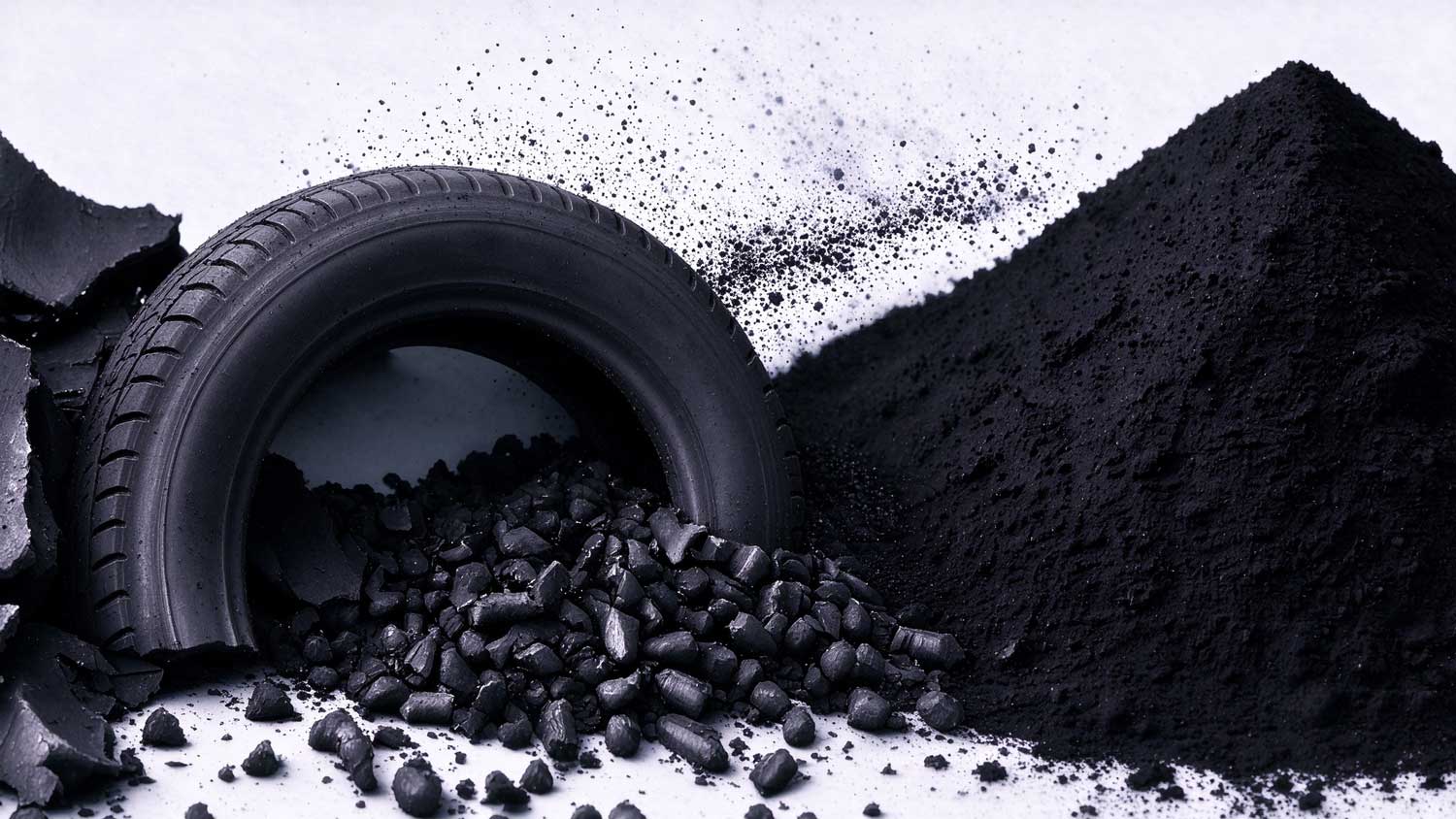
Every tire pyrolysis plant faces one critical bottleneck: turning raw pyrolysis char into market‑ready Recovered Carbon Black (rCB). Raw pyrolysis char comes with agglomerated lumps, heavy mineral grit, and inconsistent particle sizes. If you pick the wrong grinding system, you will get poor‑quality rCB, low throughput, high power cost, or even damaged downstream rubber customers’ products.
This buying guide helps plant owners and process engineers pick the right grinding and classification setup for pyrolysis char. We compare three mainstream equipment options: Air Classifier Mill, Fluidized‑Bed Jet Mill, and standalone Air Classifier. We focus on real‑world plant requirements: target particle size, production throughput, material impurity, surface‑activity preservation, operational cost and safety.
Related reading: view our full process introduction page: Processes‑Recovered Carbon Black (rCB) & Pyrolysis Char Grinding & Classification Systems
1. Key Practical Factors Before You Select Pyrolysis Char Grinding Equipment
1.1 Your target particle‑size distribution for finished Recovered Carbon Black (rCB)
Different end‑users (rubber filler, coating, plastic compound) require different D90 / D97 particle sizes for rCB.
- General‑grade rubber filler: D90 10‑45 μm
- High‑end rubber & coating application: D50 1‑10 μm ultrafine powder
Important note: For rCB production, narrow particle‑size distribution matters more than chasing extremely fine powder blindly. Over‑grinding may destroy carbon black surface activity and weaken reinforcing performance. Strict residue control on +325 mesh and +500 mesh is also critical for rubber‑grade rCB.
1.2 Required production throughput per hour
Your grinding system must match your pyrolysis reactor output. Many plant operators over‑spec fineness but ignore real‑world continuous‑run capacity. Higher fineness usually lowers maximum throughput and increases energy consumption.
1.3 Impurity & grit content of your raw pyrolysis char
Raw tire‑pyrolysis char contains mineral ash, heavy grit and residual metal fragments. Your grinding‑classification solution must handle abrasive feedstock, and separate oversized grit effectively. Wear‑resistant construction becomes non‑negotiable for long service life.
1.4 Preserving rCB surface activity
Pyrolysis‑derived carbon black is heat‑sensitive. Excessive heat generated during milling can degrade surface functional groups and reduce reinforcing performance when used in rubber products. Equipment with separated‑shaft design helps dissipate heat and avoids rCB coking or sticking. Your grinding system should keep material temperature stable during processing.
1.5 Safety requirements: explosion‑proof & dust‑negative‑pressure design
Carbon‑black powder creates dust‑explosion risks. Any commercial‑scale pyrolysis‑char grinding system must support explosion‑proof structure, anti‑static filtration and fully sealed negative‑pressure dust‑collection design.
2. Three Main Equipment Options for Pyrolysis Char Grinding & Classification
2.1 Air Classifier Mill (ACM)
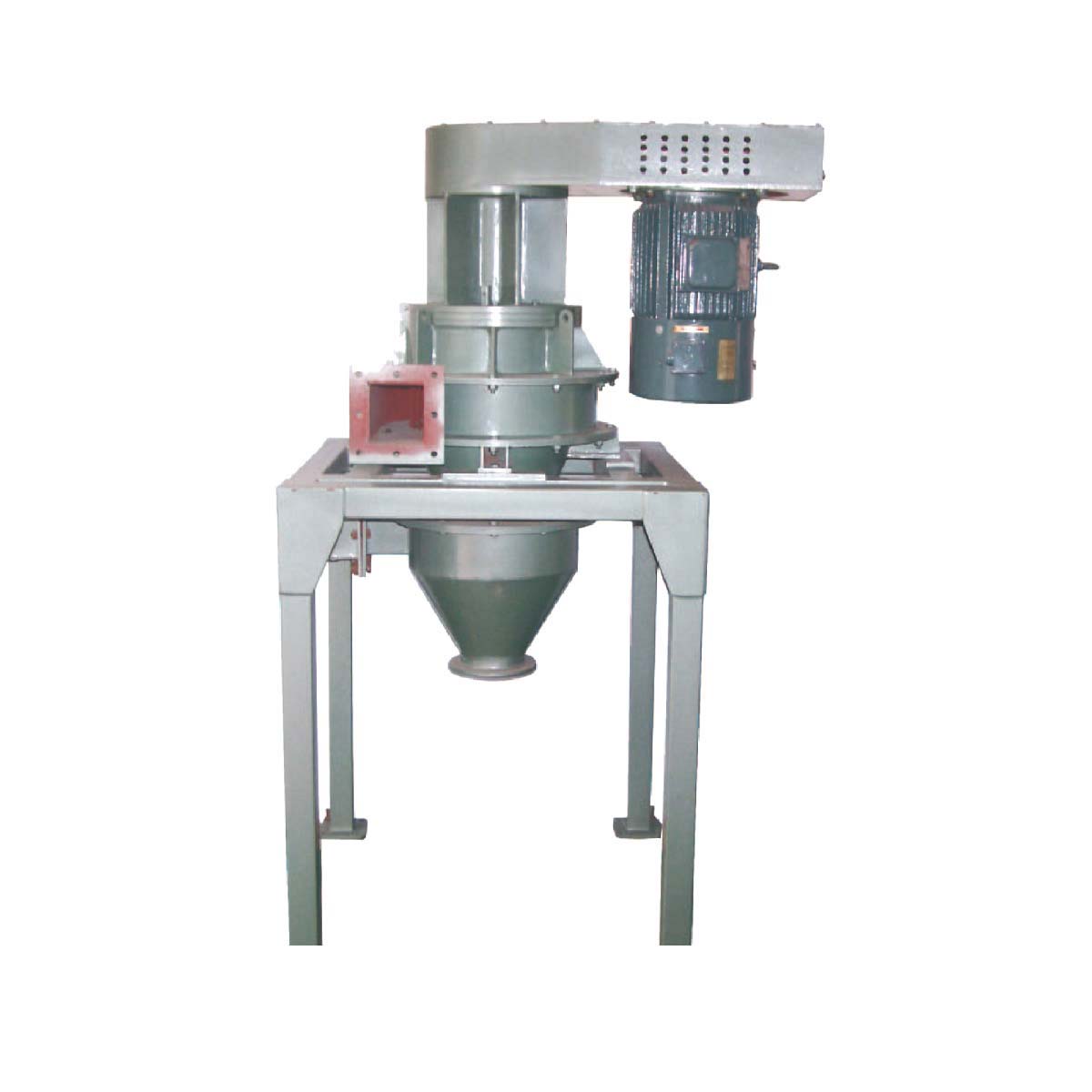
The Air Classifier Mill (ACM) integrates high‑energy impact grinding and built‑in centrifugal classification inside one unit. It adopts separate‑shaft and independent bearing‑housing design for effective heat dissipation to prevent rCB coking, supporting stable 24/7 continuous operation.
Raw pyrolysis char undergoes high‑speed impact, collision and shear force from widened hammer blades to break carbon‑black agglomerates and release primary carbon‑black particles from mineral matrix. Built‑in turbine classifier continuously takes out qualified fine powder; coarse particles are forced into external circulation for re‑grinding to minimize coarse‑particle bypass.
- Suitable particle range: adjustable down to D90 <10 μm, typical production range D90 from 10 μm to 45 μm
- Pros: Good continuous throughput; one‑unit grinding + classification; moderate energy consumption; forced coarse‑particle circulation for ultra‑low residue; widened hammer improves impact efficiency; can handle abrasive pyrolysis char; independent variable‑speed drive for classifier impeller; PLC adjustable cut‑point; well‑proven for large‑volume rCB refining projects.
- Best fit: Medium‑to‑large tire‑pyrolysis plants targeting general‑to‑mid‑grade rCB for rubber and plastic filler with strict coarse‑residue requirements.
- Limitation: Not the first choice for sub‑micron ultrafine rCB requirements.
2.2 Fluidized‑Bed Jet Mill
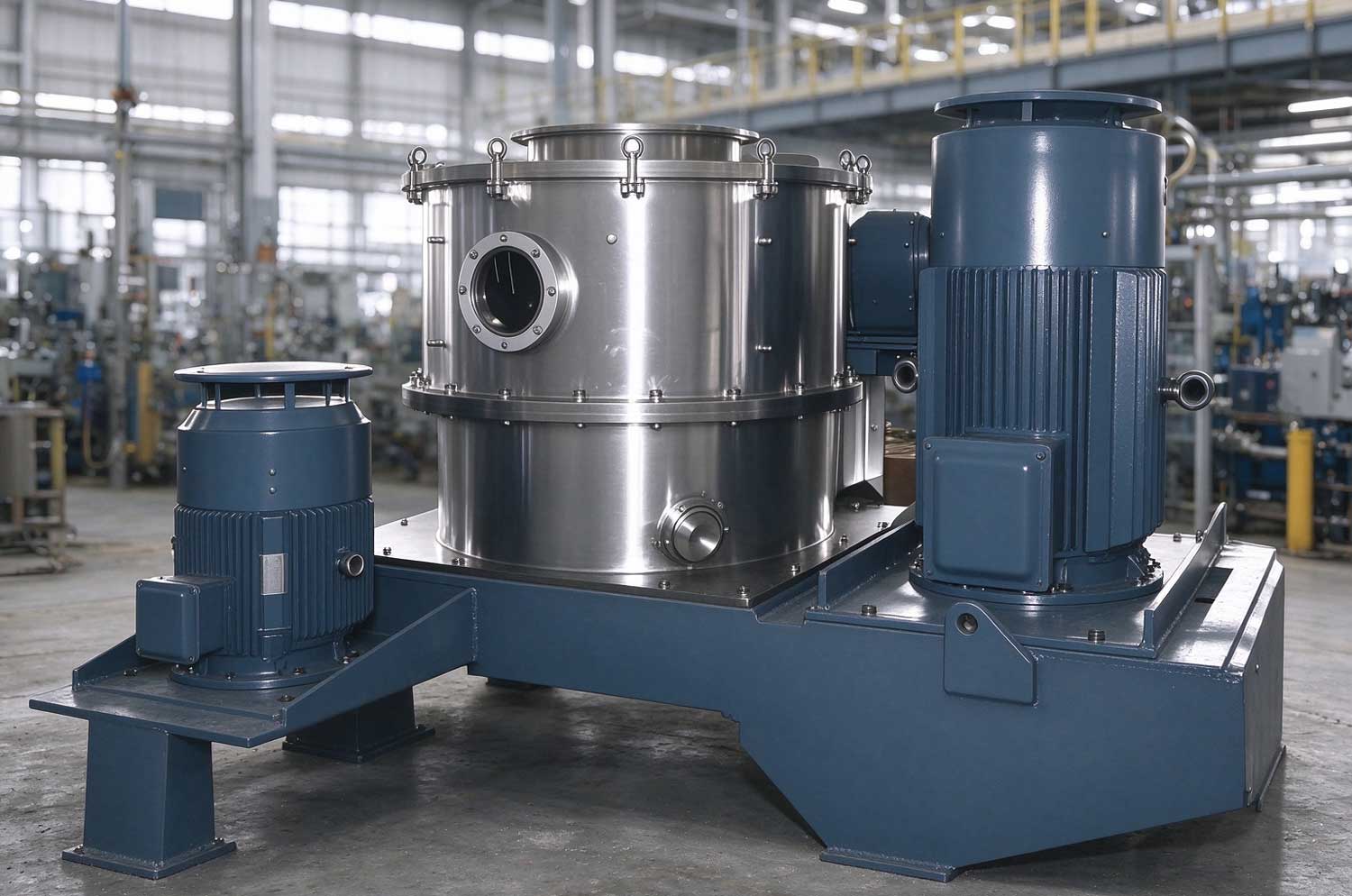
Fluidized‑Bed Jet Mill uses supersonic compressed‑air airflow for particle‑to‑particle self‑pulverization, no mechanical grinding media touches feed material. Integrated high‑speed turbine classifier controls final particle size. Optimized flow‑field design delivers 30%‑50% higher energy efficiency compared with conventional jet‑mill solutions.
Compressed‑air expansion brings natural cooling effect, preventing thermal degradation and preserving rCB surface functional groups. Zero mechanical contact avoids metallic contamination for high‑purity output.
- Suitable particle range: D50 1‑10 μm, for ultrafine rCB powder
- Pros: Achieves sub‑micron ultrafine size; narrow particle‑size distribution; low‑wear structure, zero metal contamination risk; cool‑process protects surface activity; higher energy‑efficiency vs traditional jet mills; supports automated monitoring and compact layout.
- Best fit: Premium‑grade rCB for high‑end rubber, coating applications; where ultrafine, low‑metal‑contamination powder is required.
- Limitation: Higher operating cost from compressed‑air consumption; lower hourly throughput versus Air Classifier Mill for equal investment budget.
2.3 Air Classifier
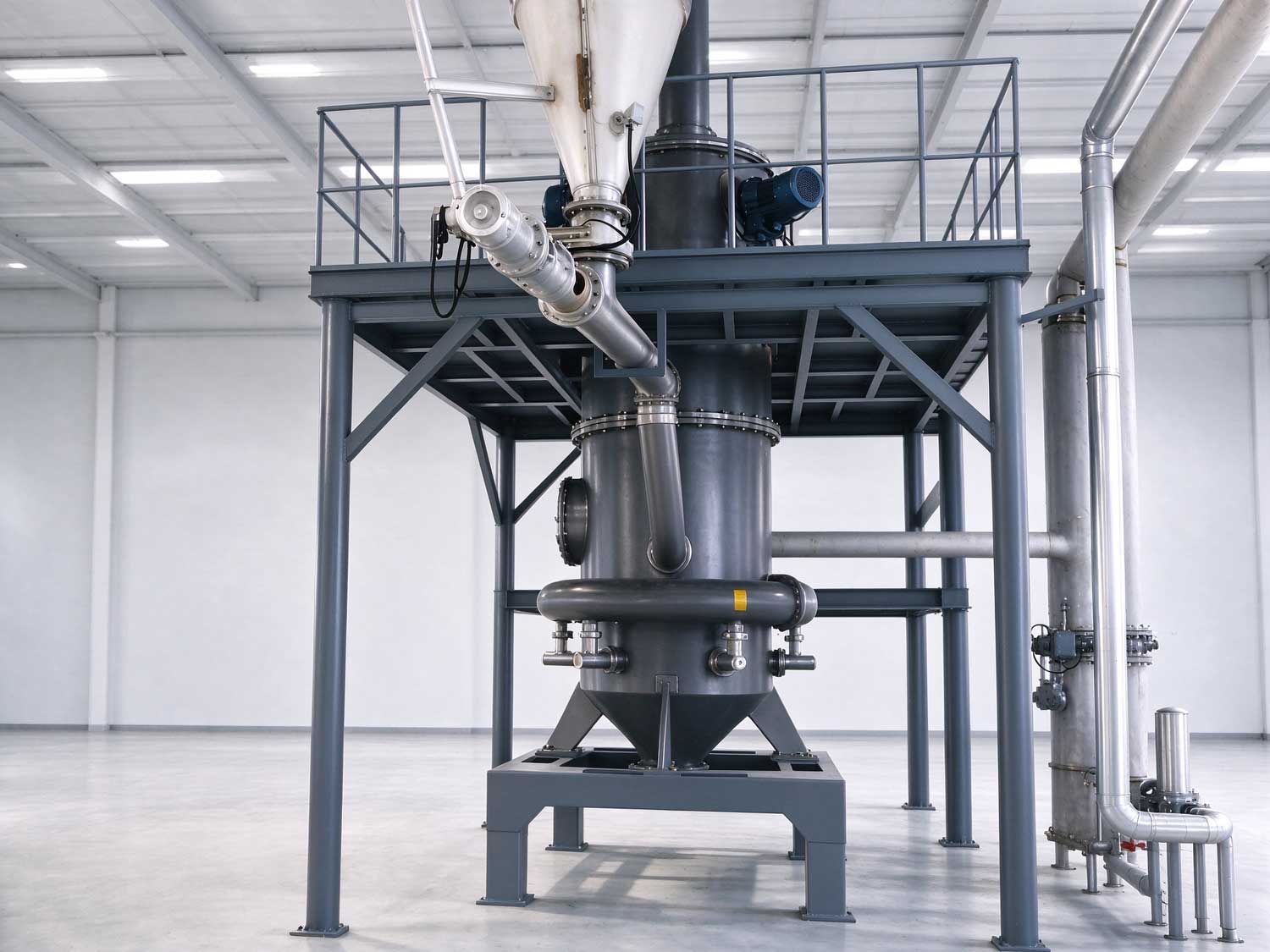
A standalone Air Classifier performs density‑based aerodynamic separation only. It does not do grinding work itself. You feed pre‑milled powder into this unit. It separates fine qualified rCB from heavy mineral grit and oversized particles by density and particle‑size differences, without water or chemical additives. Vertical models serve large‑volume mass‑production; horizontal versions deliver higher‑precision refining for premium‑grade material.
- Pros: Remove ash‑rich heavy grit; secondary‑air intake improves fine‑particle recovery; anti‑adhesion internal coating reduces carbon build‑up; adjust rotor speed and air velocity via PLC; dry non‑thermal separation, keep rCB surface activity unchanged.
- Best fit: Work as secondary post‑processing unit paired with your existing grinding mill, for higher‑purity rCB fractionation and grit removal.
- Limitation: Cannot reduce particle size on its own. It must match upstream grinding equipment.
3. Quick Decision‑Making Cheat Sheet: Which Unit Should You Pick?
- Large‑volume continuous production, target D90 10‑45 μm for regular rubber filler & strict coarse‑residue control → Air Classifier Mill (ACM)
- Need ultrafine sub‑micron premium‑grade rCB for high‑end rubber / coating → Fluidized‑Bed Jet Mill
- Already have grinding mill, need extra grit‑removal and high‑purity fractionation → add a standalone Air Classifier as secondary stage
Note: Many real‑world pyrolysis‑char lines combine multiple units, for example: Air Classifier Mill + secondary Air Classifier to boost rCB purity and cut ash‑bearing grit.
4. FAQ
- Q: Can an Air Classifier remove mineral grit and ash from pyrolysis char?
A: Yes. Standalone Air Classifier applies aerodynamic density separation to split light fine rCB particles and heavy mineral grit. It delivers high‑purity fractionation without chemical additives. It works best as secondary processing after grinding. - Q: Will jet milling damage recovered carbon black reinforcing property?
A: Fluidized‑Bed Jet Mill uses air‑expansion cooling effect, avoiding heat‑caused surface‑group degradation. It keeps good rCB performance for high‑end applications. However its running cost is higher for mass production. - Q: Do I need explosion‑proof configuration for pyrolysis‑char grinding?
A: Absolutely yes. Carbon‑black powder is combustible. All commercial milling setups for rCB should include explosion‑proof housing, anti‑static filter and negative‑pressure closed loop design. - Q: What is the typical feed size of raw pyrolysis char for these grinding systems?
A: Generally, raw pyrolysis char below 2–5 mm is suitable for feeding into Air Classifier Mill or Fluidized‑Bed Jet Mill. Oversized chunks need pre‑crushing first. - Q: Can one grinding system produce both general‑grade and premium‑grade rCB?
A: An Air Classifier Mill mainly covers medium fineness ranges. If you need to switch to ultra‑fine premium rCB, a Fluidized‑Bed Jet Mill is normally required separately. - Q: How much wear maintenance is required for pyrolysis char grinding equipment?
A: Pyrolysis char contains abrasive mineral grit. Key wearing parts need wear‑resistant lining and regular inspection, especially for long‑term continuous operation. - Q: Is closed‑loop air circulation necessary for rCB grinding lines?
A: Yes. Closed‑loop negative pressure air circulation controls dust leakage, reduces product loss and supports stable explosion‑proof operation.
5. Get Your Custom Grinding & Classification Solution
Every pyrolysis‑char feedstock has different ash content, agglomeration status and impurity levels. There is no one‑size‑fits‑all grinding system.
Share your key parameters with our engineering team:
- Raw pyrolysis‑char hourly throughput
- Target particle‑size D90 / D50 for finished rCB
- End‑product application (rubber filler / plastic / coating)
- Existing plant layout and space limitation
Our team can recommend matched Air Classifier Mill, Fluidized‑Bed Jet Mill or Air Classifier configuration for your tire‑pyrolysis plant.
Contact our engineers for technical proposal and plant reference cases.