Air Classifier
How It Works
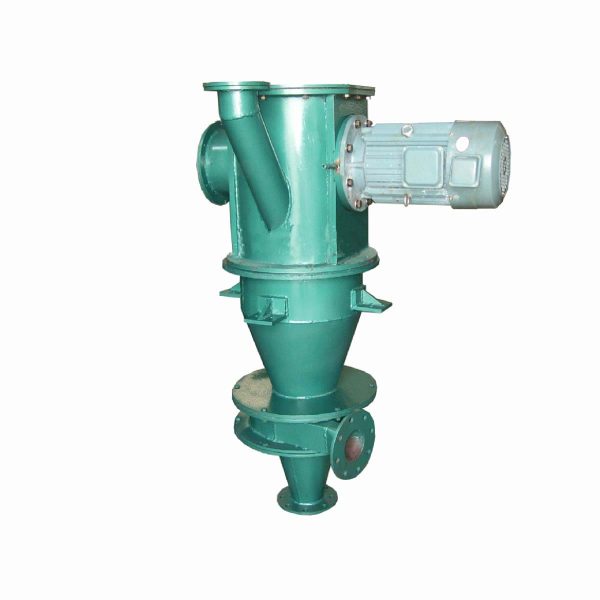
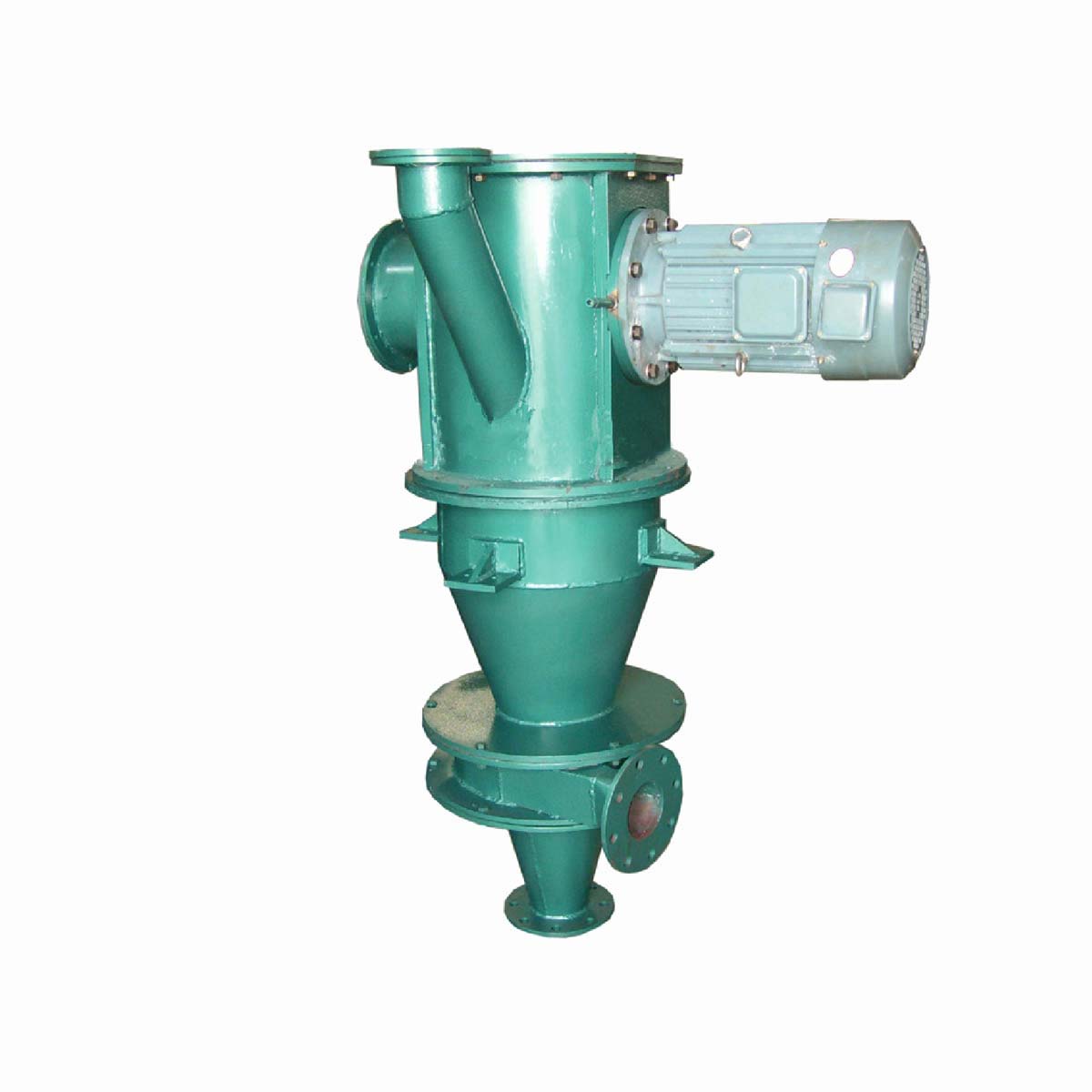
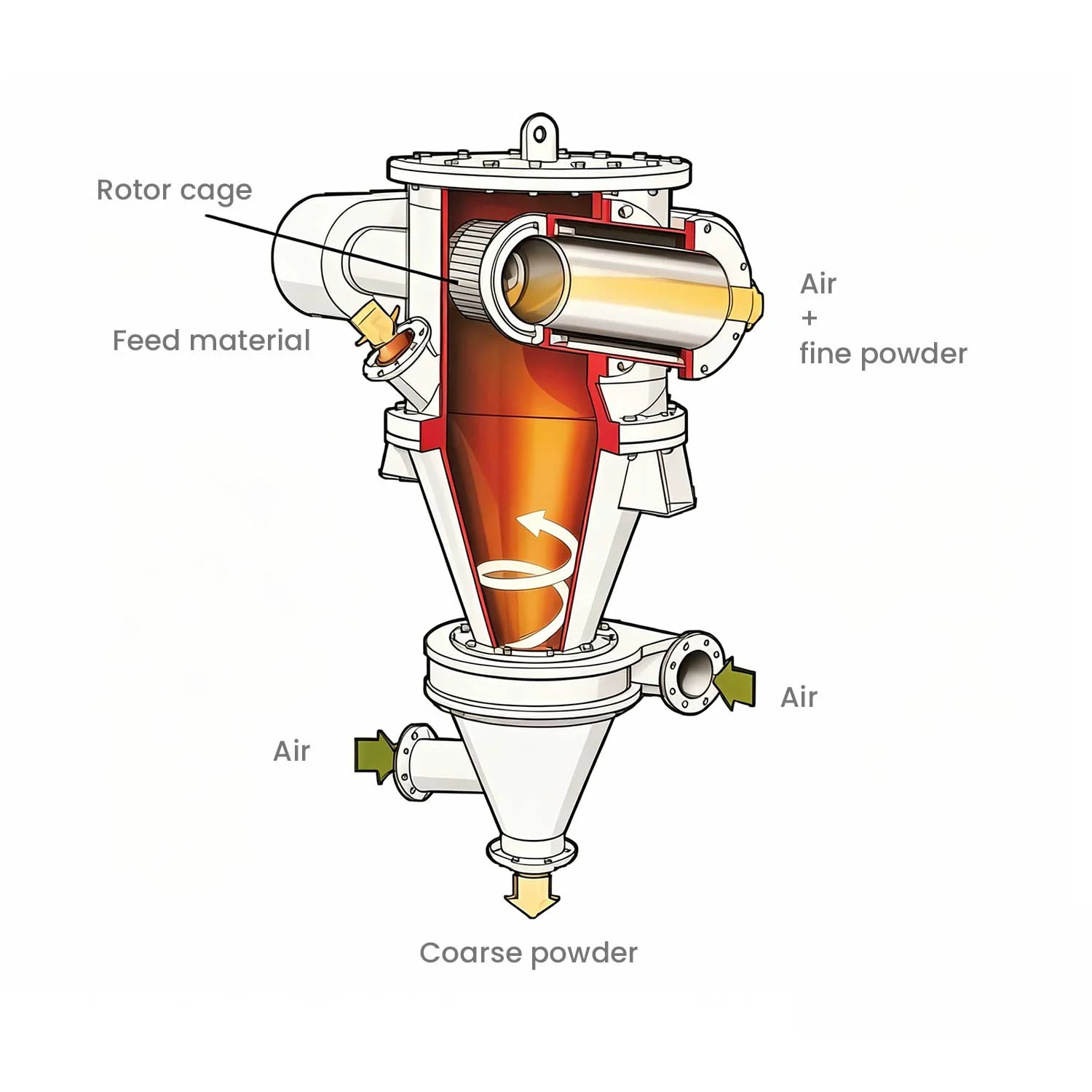
Materials enter the chamber via upward airflow, sorted by differences in size, shape, and density. Aerodynamic drag counteracts gravity and centrifugal forces; fine rCB particles pass through the turbine for high-grade collection, while oversized grit and impurities settle and exit, completing the precise dry classification and refining process without the use of chemicals or water.
Performance Features
Turbine Classification & Narrow PSD Control
Utilizing advanced turbine technology, this classifier allows for precise cut-offs within a 3–150μm range. For recovered Carbon Black (rCB), it stably produces ultrafine powders with an extremely narrow PSD, effectively eliminating oversized grit to meet the stringent reinforcement and consistency requirements of the tire, rubber, and plastic industries.
Anti-Adhesion & Industrial-Grade Durability
Specifically engineered for the micro-pore structure and adhesive tendencies of recovered Carbon Black, the system features high-wear-resistant polished surfaces and specialized anti-stick internal coatings. This design minimizes carbon buildup and prevents clogging, ensuring long-term stable operation while maintaining high material throughput.
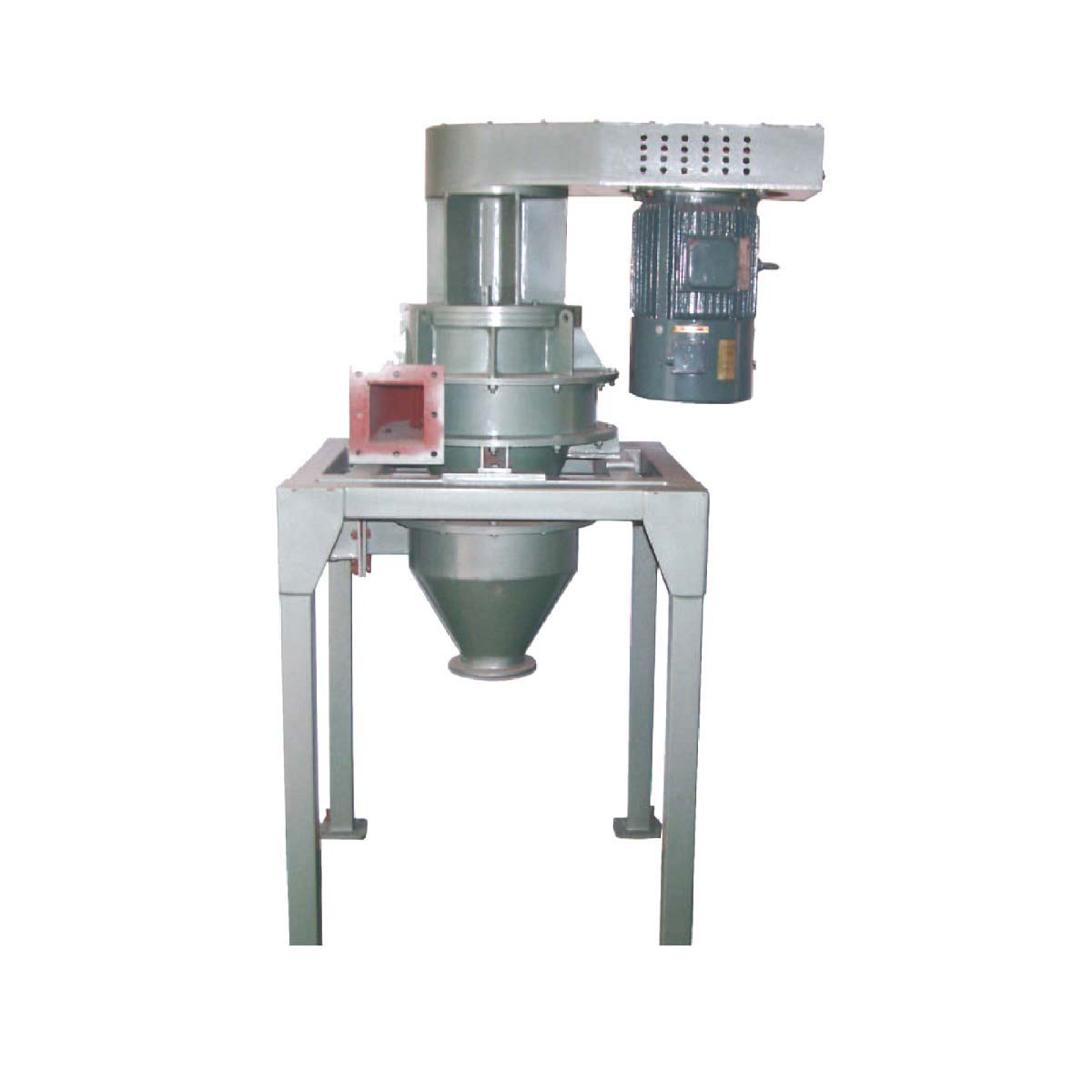
Vertical Model: Large-Scale rCB Production
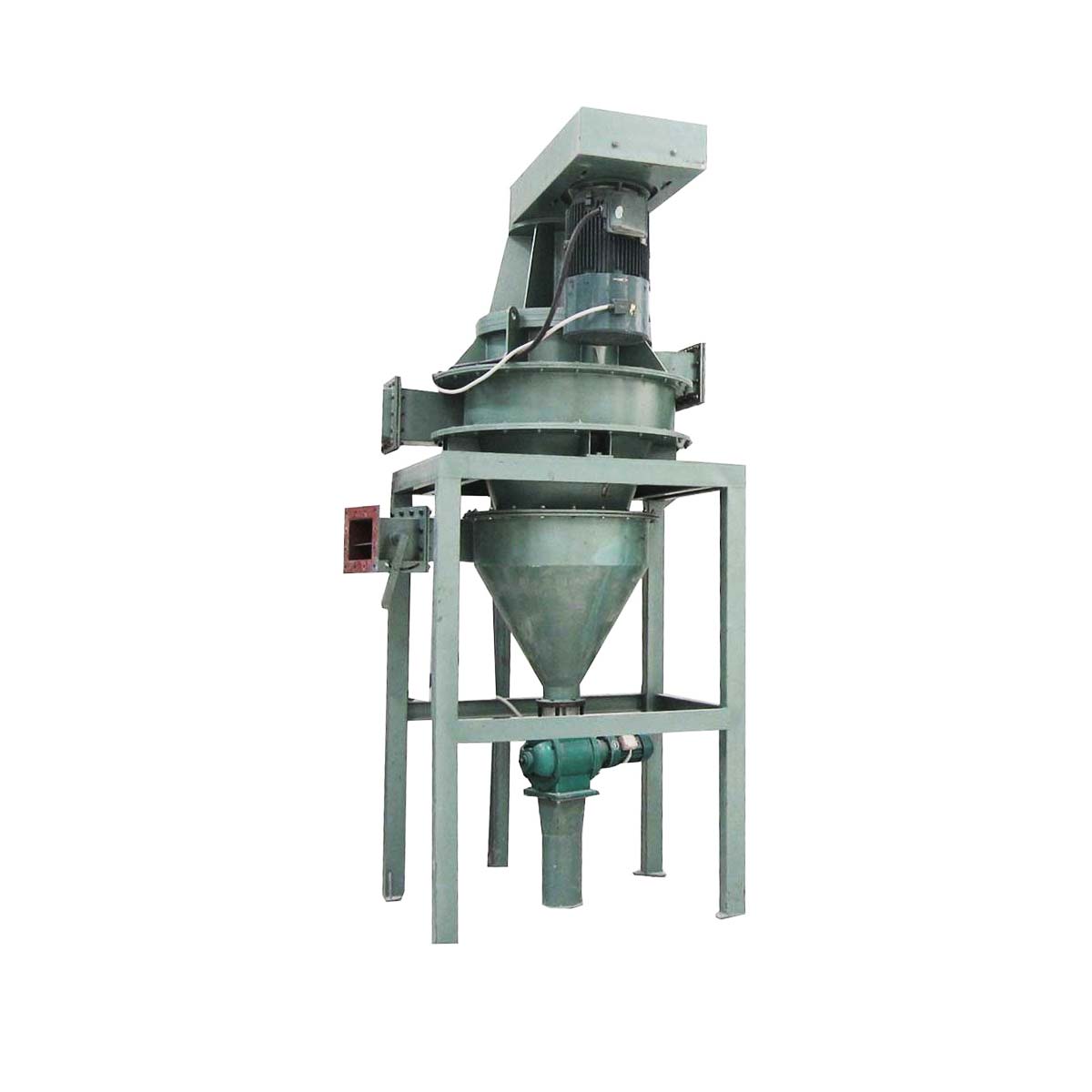
The vertical design optimizes the discharge path to reduce flow resistance and minimize heat accumulation. This configuration is essential for preserving the morphology and surface activity of recovered Carbon Black while significantly boosting hourly capacity. It is the premier choice for high-volume mass production of industrial-grade rCB.
Horizontal Model: Extreme Refining Precision
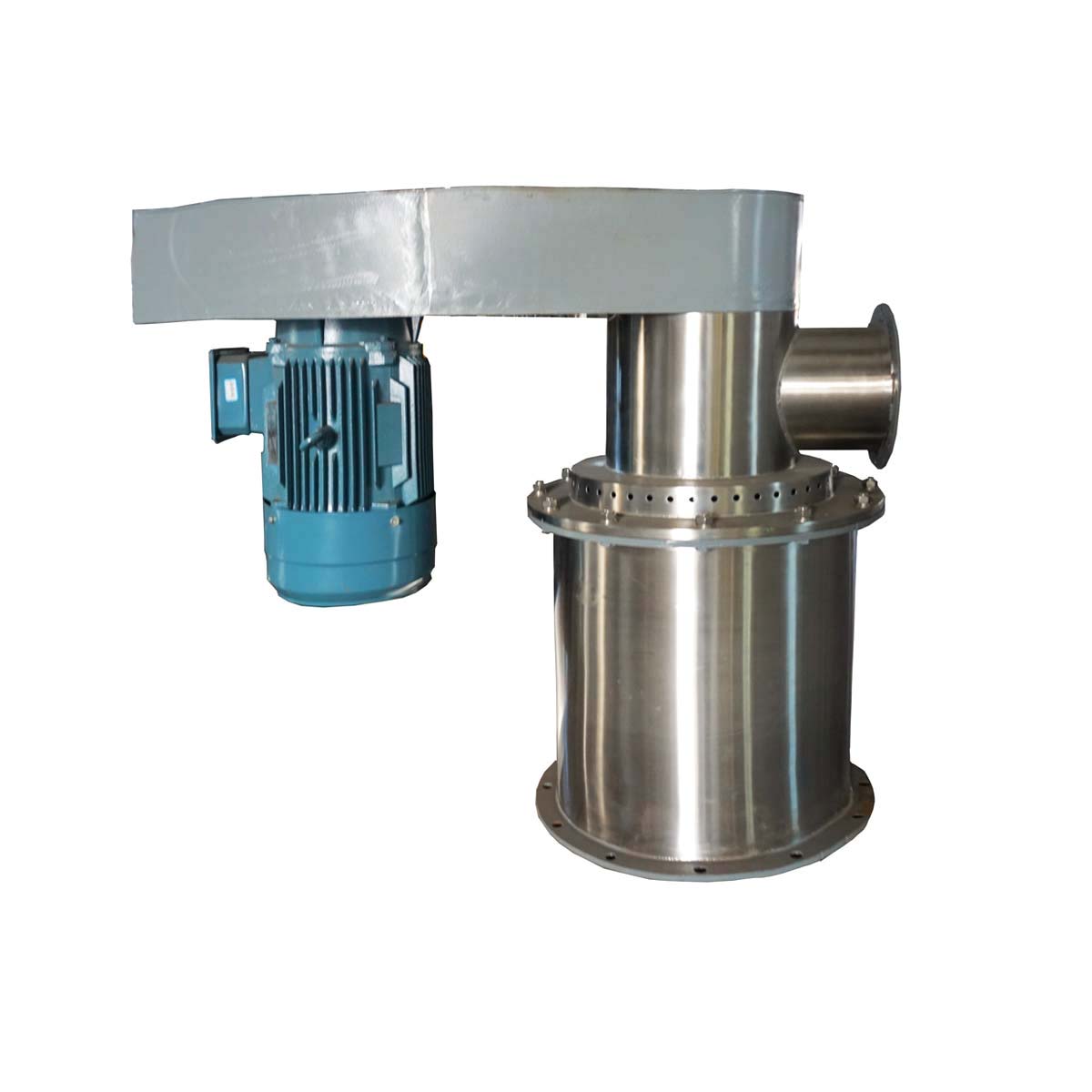
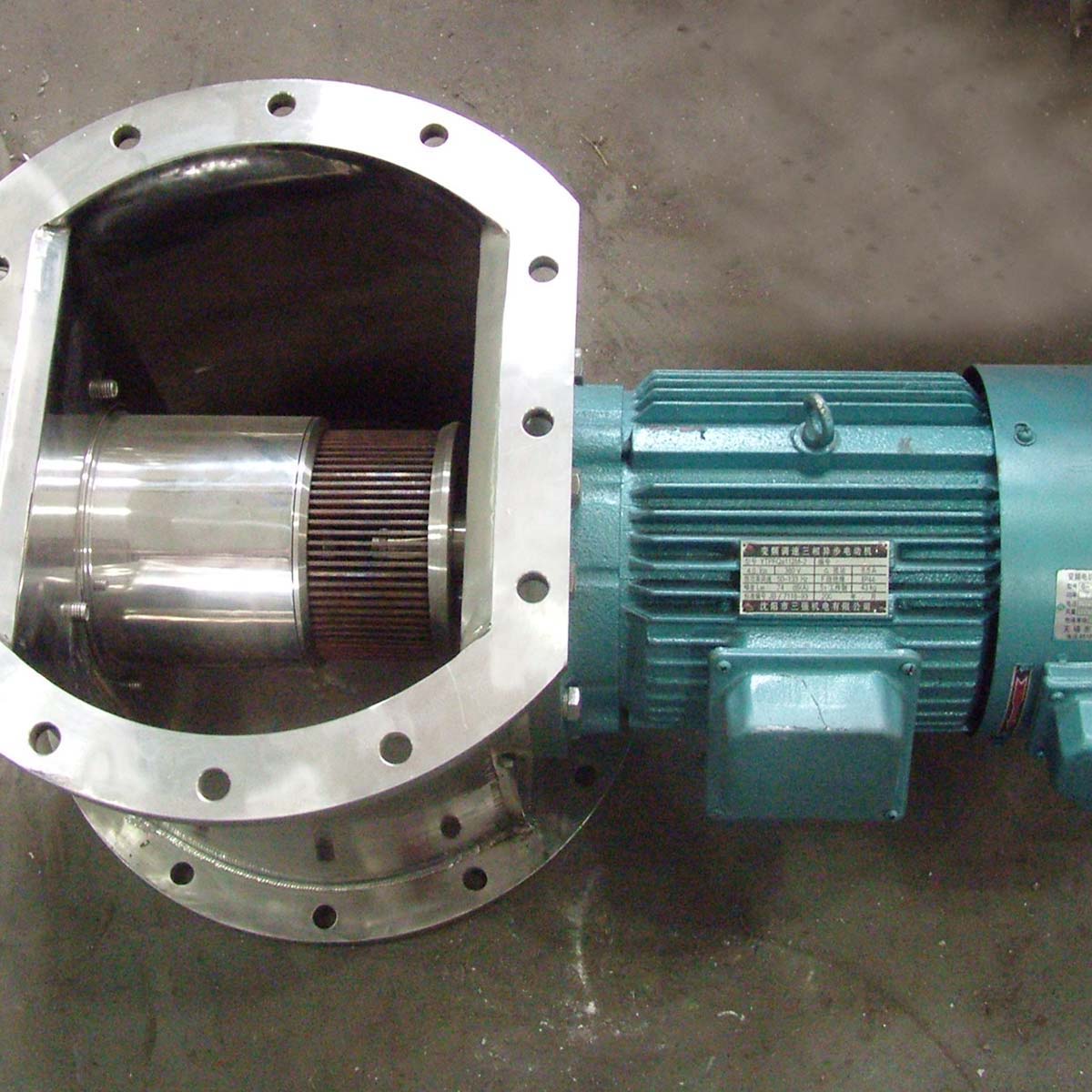
The horizontal turbine enables higher speeds and stronger centrifugal forces for superior particle sensitivity. It yields high-value recovered Carbon Black products with exceptional uniformity and lower ash content, ideal for high-end rubber goods, specialized coatings, and masterbatch formulations.
Secondary Air Intake & Enhanced Recovery Efficiency
The scientific secondary air intake re-sorts fine particles trapped in coarse material. This aerodynamic optimization boosts rCB recovery rates and ensures maximum purity during classification, reducing material waste and optimizing production costs for high-value carbon products.
Technical Parameters
| Model Series: JCSF-V | 250 | 320 | 400 | 450 | 500 | 570 | 630 | 700 | 850 |
|---|---|---|---|---|---|---|---|---|---|
| Particle size (D97 μm) | 6~50 | 6~50 | 8~60 | 8~60 | 10~80 | 10~80 | 12~100 | 12~100 | 12~100 |
| Processing capacity (kg/h) | 50~300 | 80~500 | 120~750 | 150~1000 | 200~1200 | 300~1500 | 380~1800 | 500~2200 | 700~3000 |
| Classifying wheel Speed (r/min) | 500~5000 | 400~4000 | 360~3600 | 340~3400 | 310~3100 | 270~2700 | 240~2400 | 220~2200 | 180~1800 |
| Classifying wheel Diameter (mm) | 250 | 320 | 400 | 450 | 500 | 570 | 630 | 700 | 850 |
| Motor power (kW) | 4 | 7.5 | 11 | 15 | 22 | 30 | 37 | 45 | 55 |
| Model Series: JCSF-H | 60 | 100 | 140 | 230 | 230/4 | 260 | 315 | 315/4 | 315/6 | 500 | 630 |
|---|---|---|---|---|---|---|---|---|---|---|---|
| Particle size (D97 μm) | 3~50 | 4~100 | 4~100 | 5~120 | 4~70 | 5~120 | 6~120 | 5~120 | 5~120 | 8~120 | 10~150 |
| Processing capacity (kg/h) | 3~100 | 50~200 | 70~300 | 200~1000 | 600~3000 | 250~1000 | 500~2500 | 1500~7500 | 1500~7500 | 1250~8000 | 2800~19000 |
| Classifying wheel Speed (r/min) | 1500~18000 | 1150~11500 | 1000~8500 | 600~6000 | 600~6000 | 500~4800 | 400~4400 | 400~4400 | 400~4400 | 240~2400 | 160~1600 |
| Classifying wheel Diameter (mm) | 60 | 100 | 140 | 230 | 230 | 260 | 315 | 315 | 315 | 500 | 630 |
| Motor power (kW) | 1.1 | 4 | 4 | 5.5 | 22 | 7.5 | 15 | 60 | 90 | 22 | 30 |
